Hope 101: Where Hope Steps In

The educational landscape in Liberia faces many challenges resulting in poor learning outcomes and massive dropout rates.

First the hard news:

  • According to World Bank, UNESCO, and other organizations, Liberia, like many other African countries, is facing a learning crisis. In sub-Saharan Africa, learning poverty, defined as the share of children unable to read and understand age-appropriate text by age 10, is estimated at 89%.

  • According to the 2023 World Bank Human Capital Index, Liberia ranks second to last out of 156 countries in education.

  • UNICEF estimates only about 54% of children complete primary education in Liberia. This means roughly 46% of children who start primary school do not finish. Fifteen to 20% of children aged 6 to 14 are not in school at all.

Post-civil war rebuilding of civic structures (literal and figurative) has been painfully slow and incredibly challenging.
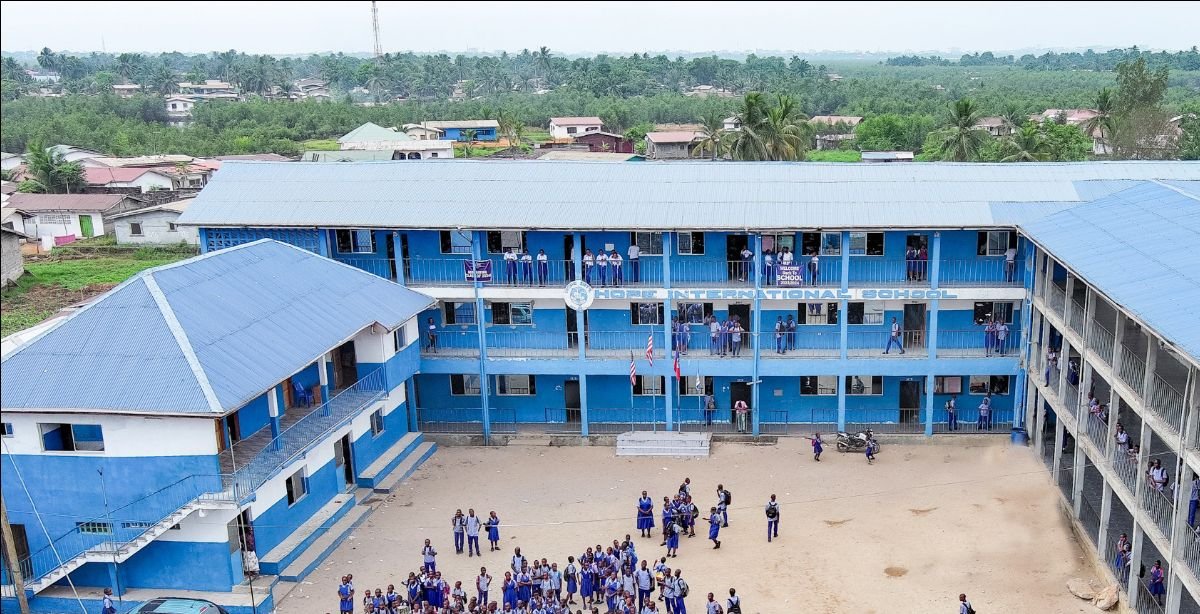
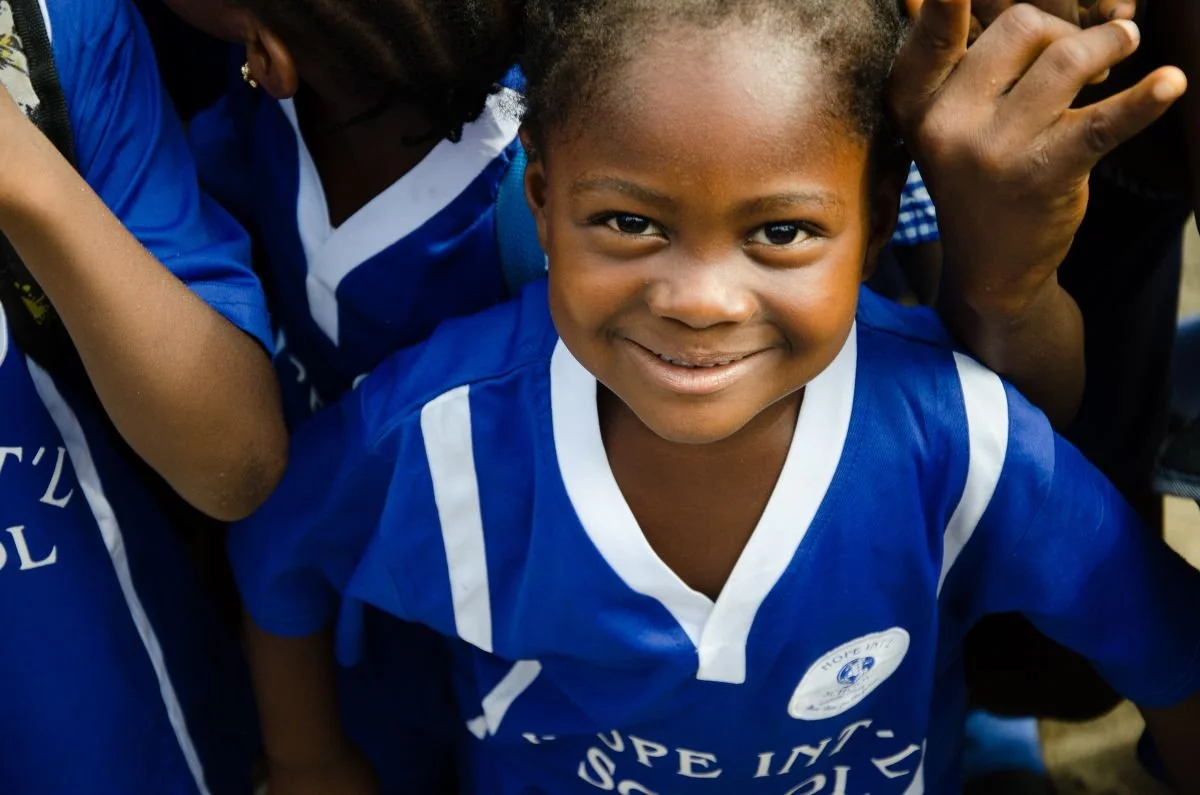
Hope International was founded 18 years ago and exists today within this complex structure of education in Liberia. The students who attend Hope are students throughout the community (and beyond) who would likely attend public school if Hope didn't exist. During our times in Liberia, we have had the opportunity to visit many public schools and see firsthand the challenges these hardworking educators and eager students face. According to Human Rights Watch, public schools are often overcrowded, under-resourced, and reliant on low-paid or volunteer teachers.

Fees to attend public school are not attainable to many families. They are required to pay an annual fee, as well as compounding costs, and provide their own materials. At Hope International, families pay an annual registration fee (which is between $25 to $35 per year based on grade level). Even this fee is prohibitive for many and the staff at Hope work to identify and support these families, with many teachers paying these fees for students out of pocket. Scholarships are also granted.

Your partnership steps in alongside paying teacher salaries and extra fees and building a campus that houses all the educational opportunities.
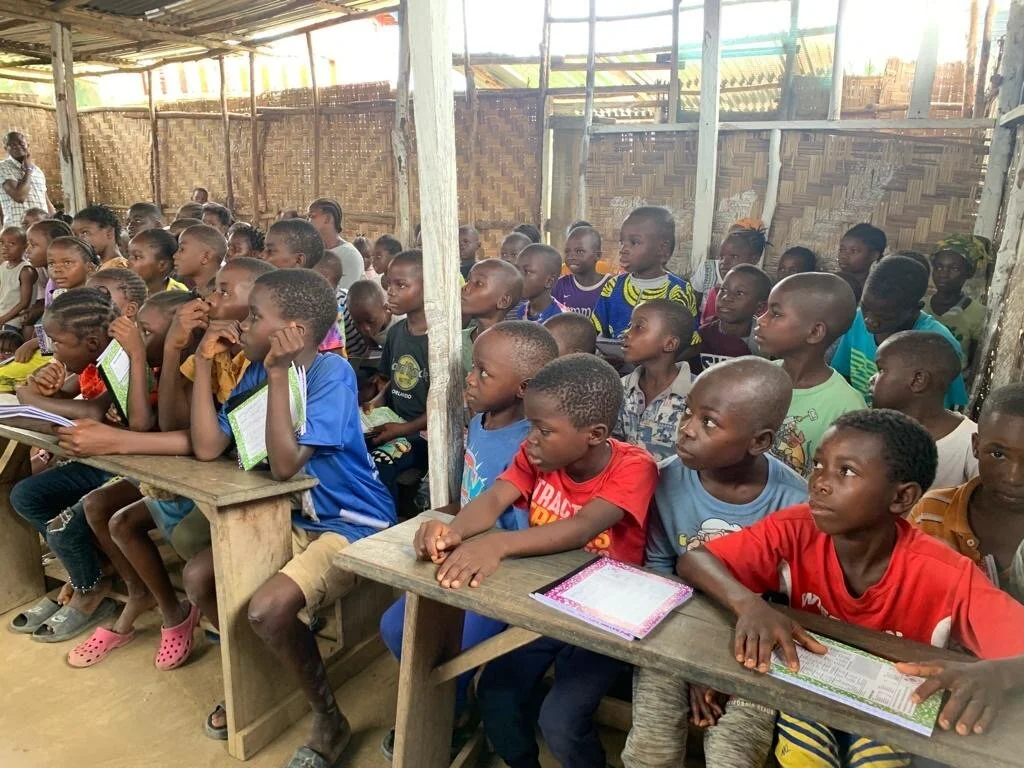
One of the biggest differences between Hope International and a public school is that public schools are not allowed to cap enrollment. We visited schools that had three to four sessions a day to accommodate the number of students enrolled. The classrooms were incredibly crowded and the resources scarce.
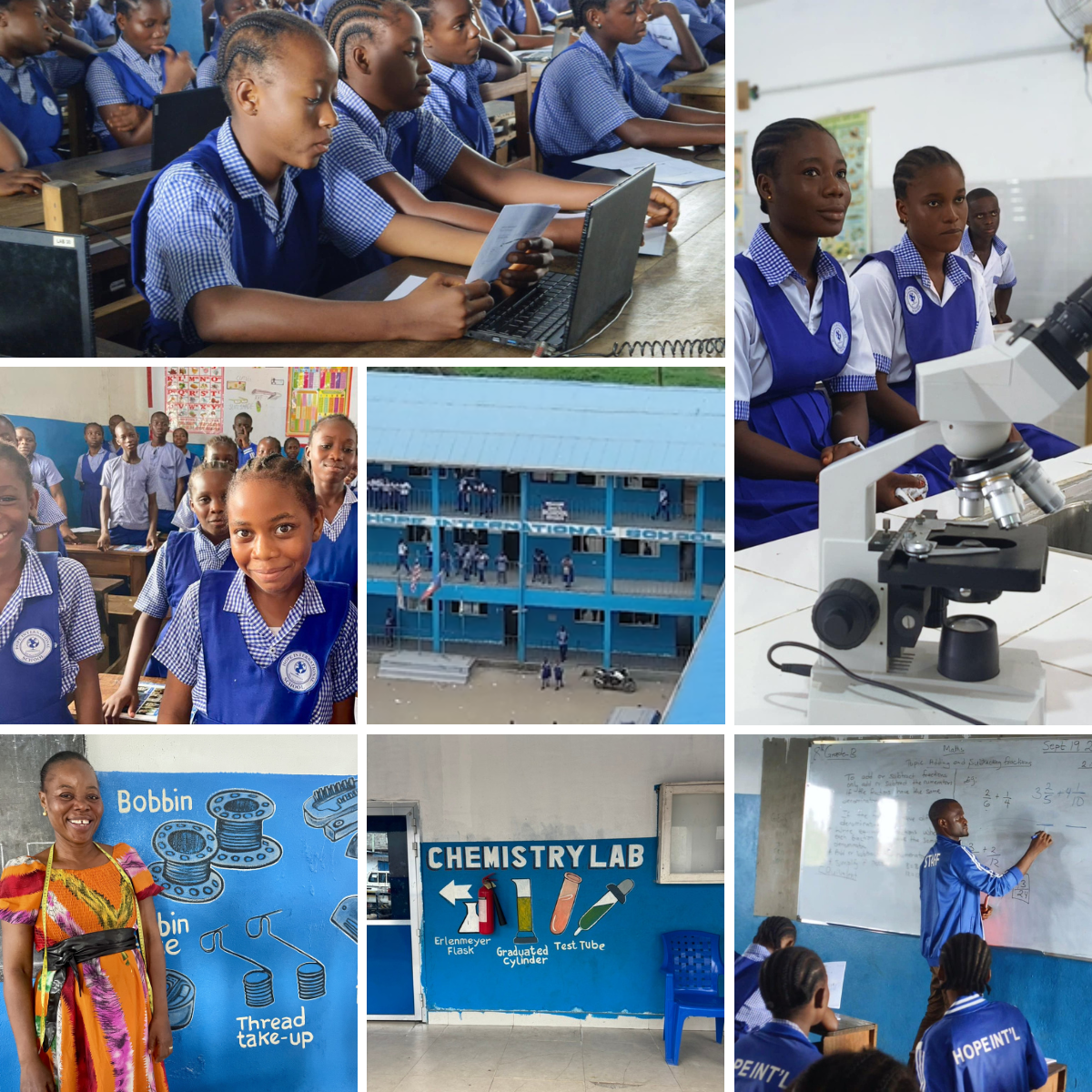
It is no wonder parents and the community extend such gratitude for Hope International and this amazing place that functions with the accessibility and student demographic of public school, but has the stabilizing support of this generous community.

Each year when registration opens the lines are so very long. The number of families wanting to enroll far exceeds the space and staffing capacity. The campus that has been built, the science and computer labs offered, the talented staff that supports the students, have created educational opportunities that are not usually available to the general population.

The school community created over the last 18 years shines so very bright. What we have all had a part in building, solidifying, and supporting will have beautiful returns now and in the decades to come.
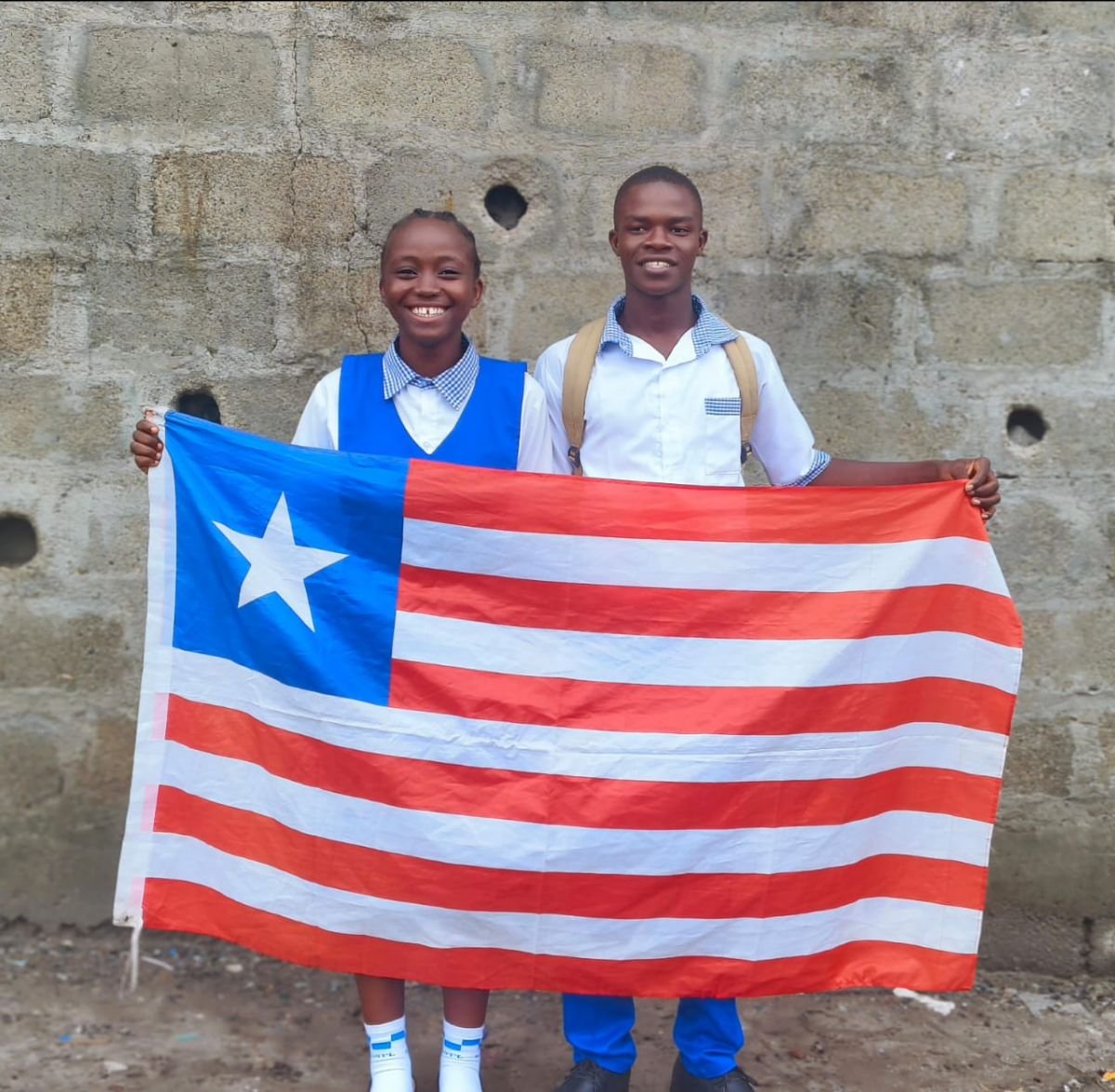

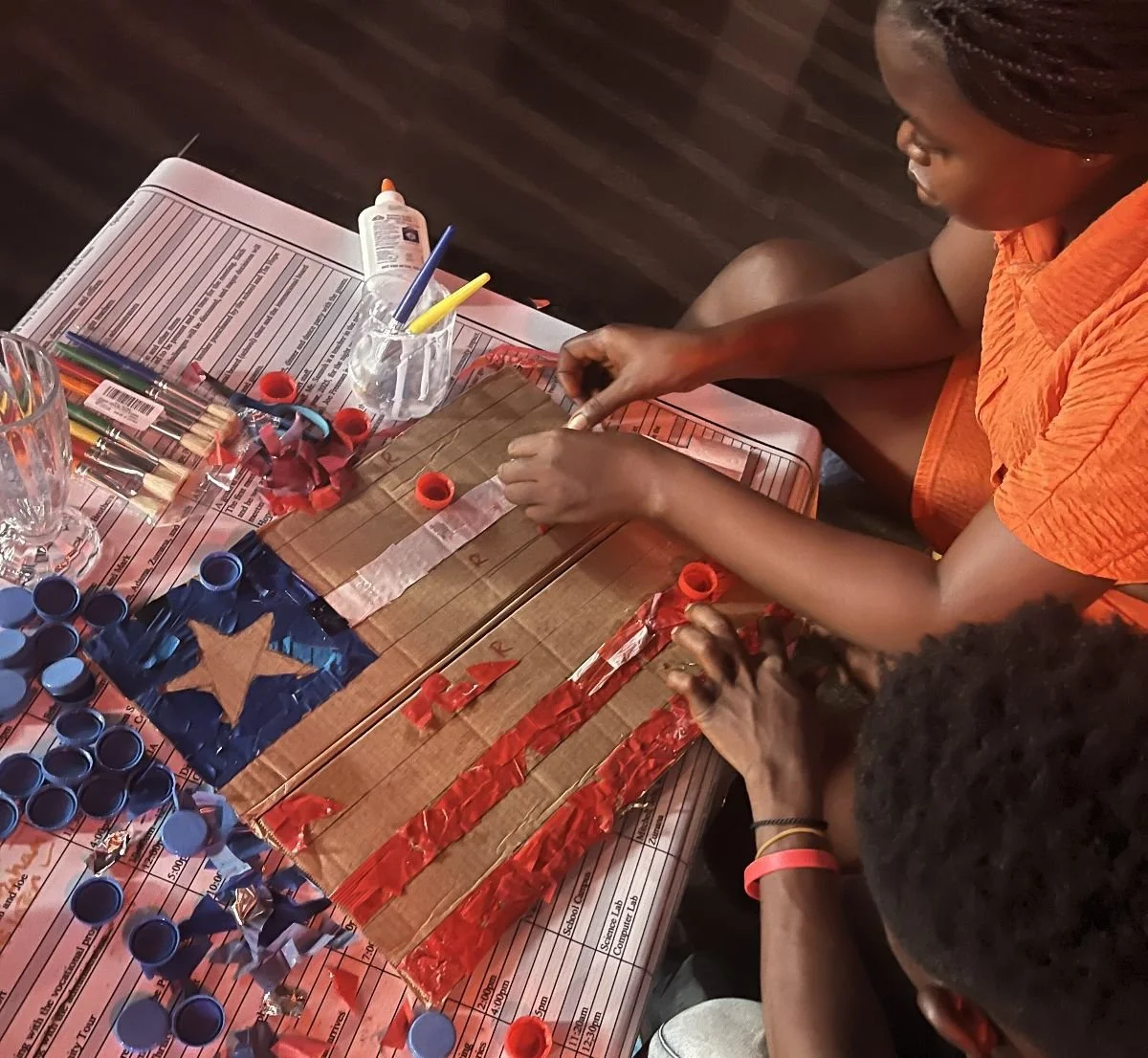
We Interrupt Summer School to Celebrate Independence

Over the last couple of weeks in our Hope 101 series, we have been sharing a bit of Liberian history and its ties to the United States (in case you missed our updates, you can read them here and here. On this day in 1847, Liberia, which means “land of the free”, declared independence and became the first republic on the African continent.

Today, we celebrate with our Liberian community the independence their country achieved and all the beautiful work they are doing to prepare the country’s next leaders. 

Hope 101: Rebuilding and Opportunity

The civil wars may have ended in 2003, but the rebuilding of Liberia has been painfully slow. It's hard to imagine what it takes to reconstruct an entire country from the ground up. Where do you even begin?

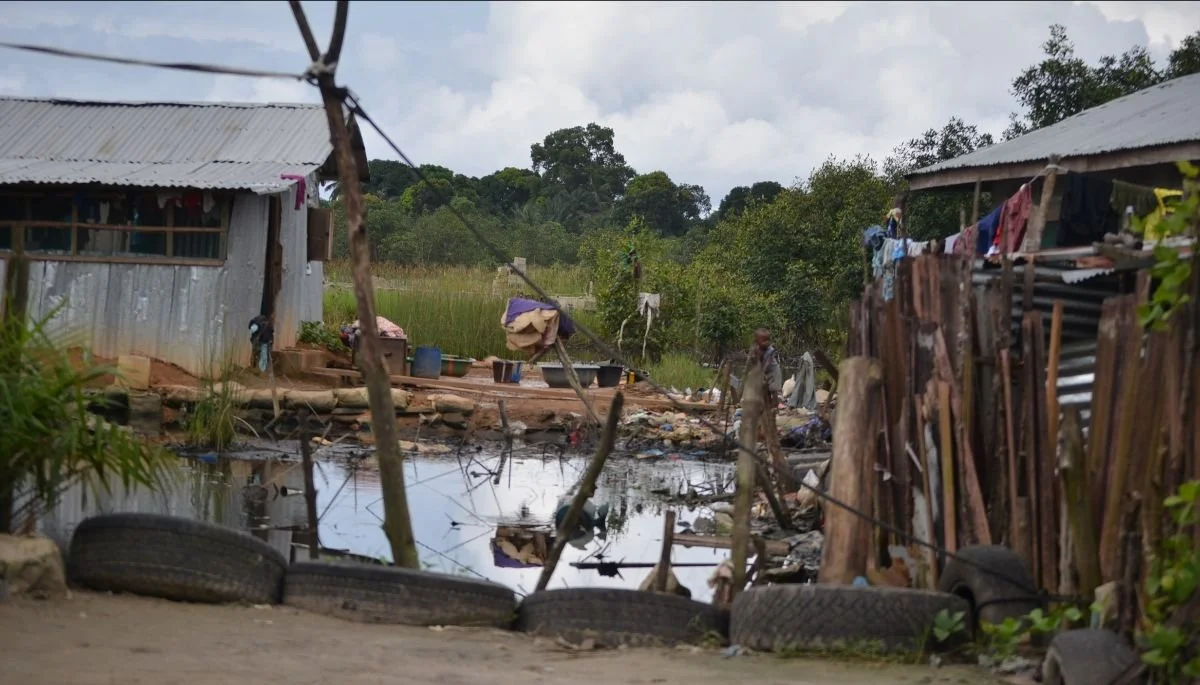
Remember, Liberia lost roughly one in ten people during the wars, nearly half the population was displaced, and much of the country's physical infrastructure was destroyed. Roads, electrical systems, water treatment facilities, hospitals, schools, businesses, and government buildings all had to be rebuilt while communities were still trying to recover from years of violence and loss.

Today, only about one-third of Liberians have access to the country's electrical grid, and even then, service is often unreliable. According to UNICEF, nearly 90% of Liberians have limited access to safe drinking water. Many urban neighborhoods rely on community wells, but contamination is common, forcing families to boil water or purchase it—both significant expenses for people already living on very limited incomes. In rural communities, access to these basic necessities can be even more challenging.

But rebuilding isn't just about roads and buildings. It's about people.

Businesses were destroyed or abandoned. Skilled professionals and tradespeople were displaced or killed. Families were separated. Communities continue to carry the weight of trauma while trying to build stable lives and create opportunities for the next generation. Recovery isn't just a construction project.

Today, Liberia has one of the youngest populations in the world, with nearly 63% of its citizens under the age of 25. While this represents tremendous potential, it also means millions of young people are growing up in a country still rebuilding its educational system, economy, and public services. Jobs remain scarce, particularly in rural areas, making it difficult for families to escape poverty even when they are willing and eager to work.

Liberia is currently ranked among the world's poorest countries. About 70% of the population lives below the poverty line, facing challenges in health, education, and basic living conditions. Nearly half the population experiences food insecurity, and many children face chronic malnutrition that can affect their physical growth and long-term development.

Despite all of this, Liberia continues to move forward. Every year, more children attend school. More businesses open. Communities continue to invest in one another, and people remain hopeful about the future.

When we visit Liberia, we see the determination and optimism of the people we meet. People working incredibly hard to build better lives for themselves, their families, their communities, and their country. We never see a lack of motivation – only a lack of opportunities.

This is why education matters so much.

It creates opportunity. It prepares future professionals, tradespeople, and community leaders. It gives young people the tools to solve tomorrow's challenges instead of simply surviving today's.

So, where do you begin rebuilding a nation? With the children of course.

Next time, we'll take a closer look at the state of education in Liberia and why your partnership in schools like Hope International is one of the most powerful ways to empower the young people as they work to shape their country's future.