The civil wars may have ended in 2003, but the rebuilding of Liberia has been painfully slow. It's hard to imagine what it takes to reconstruct an entire country from the ground up. Where do you even begin?
Remember, Liberia lost roughly one in ten people during the wars, nearly half the population was displaced, and much of the country's physical infrastructure was destroyed. Roads, electrical systems, water treatment facilities, hospitals, schools, businesses, and government buildings all had to be rebuilt while communities were still trying to recover from years of violence and loss.
Today, only about one-third of Liberians have access to the country's electrical grid, and even then, service is often unreliable. According to UNICEF, nearly 90% of Liberians have limited access to safe drinking water. Many urban neighborhoods rely on community wells, but contamination is common, forcing families to boil water or purchase it—both significant expenses for people already living on very limited incomes. In rural communities, access to these basic necessities can be even more challenging.
But rebuilding isn't just about roads and buildings. It's about people.
Businesses were destroyed or abandoned. Skilled professionals and tradespeople were displaced or killed. Families were separated. Communities continue to carry the weight of trauma while trying to build stable lives and create opportunities for the next generation. Recovery isn't just a construction project.
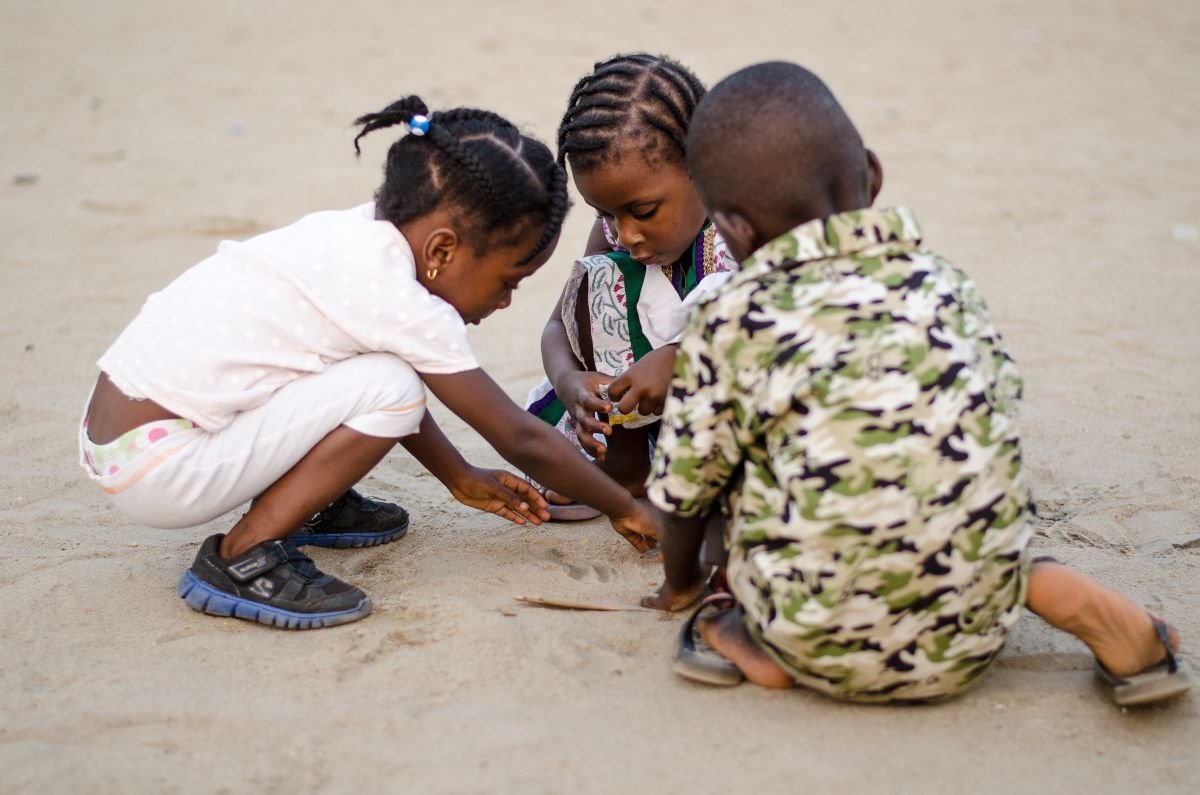
Today, Liberia has one of the youngest populations in the world, with nearly 63% of its citizens under the age of 25. While this represents tremendous potential, it also means millions of young people are growing up in a country still rebuilding its educational system, economy, and public services. Jobs remain scarce, particularly in rural areas, making it difficult for families to escape poverty even when they are willing and eager to work.
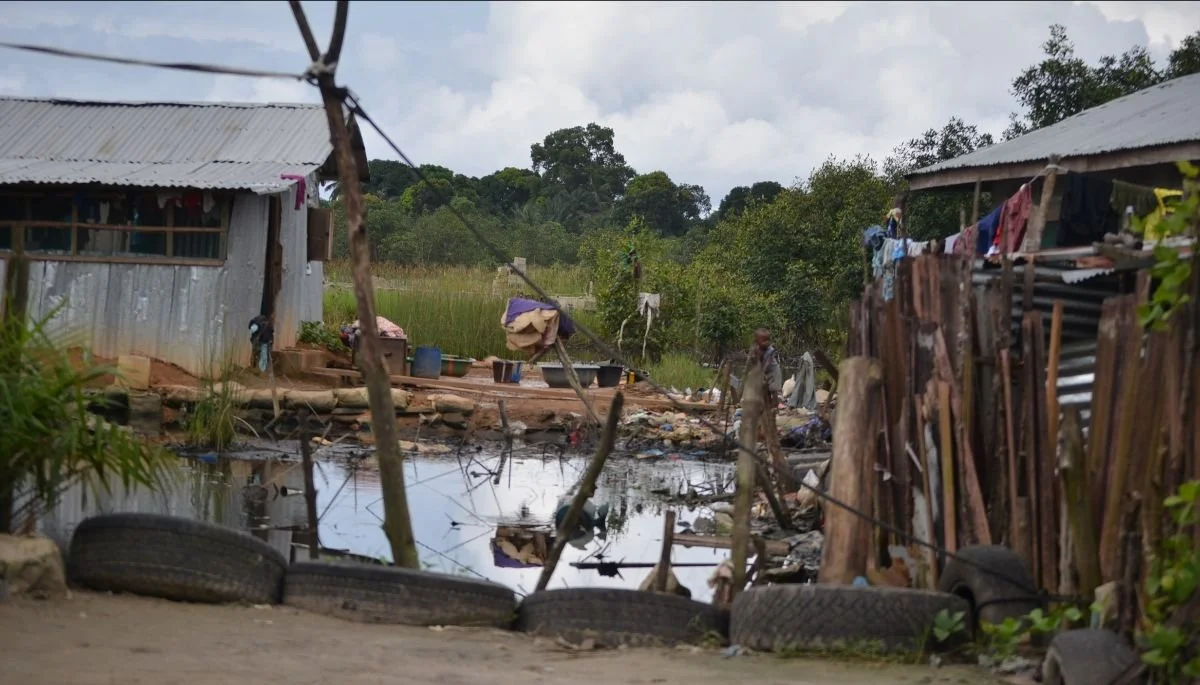
Liberia is currently ranked among the world's poorest countries. About 70% of the population lives below the poverty line, facing challenges in health, education, and basic living conditions. Nearly half the population experiences food insecurity, and many children face chronic malnutrition that can affect their physical growth and long-term development.
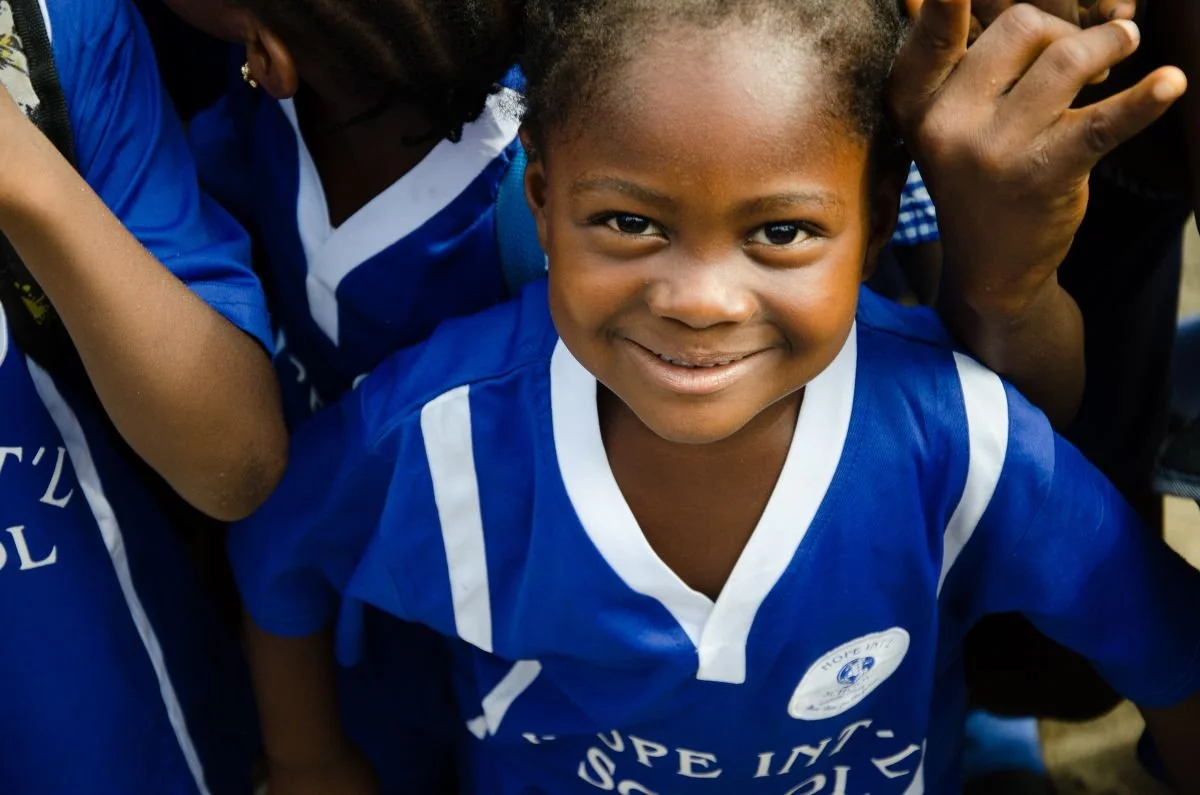
Despite all of this, Liberia continues to move forward. Every year, more children attend school. More businesses open. Communities continue to invest in one another, and people remain hopeful about the future.
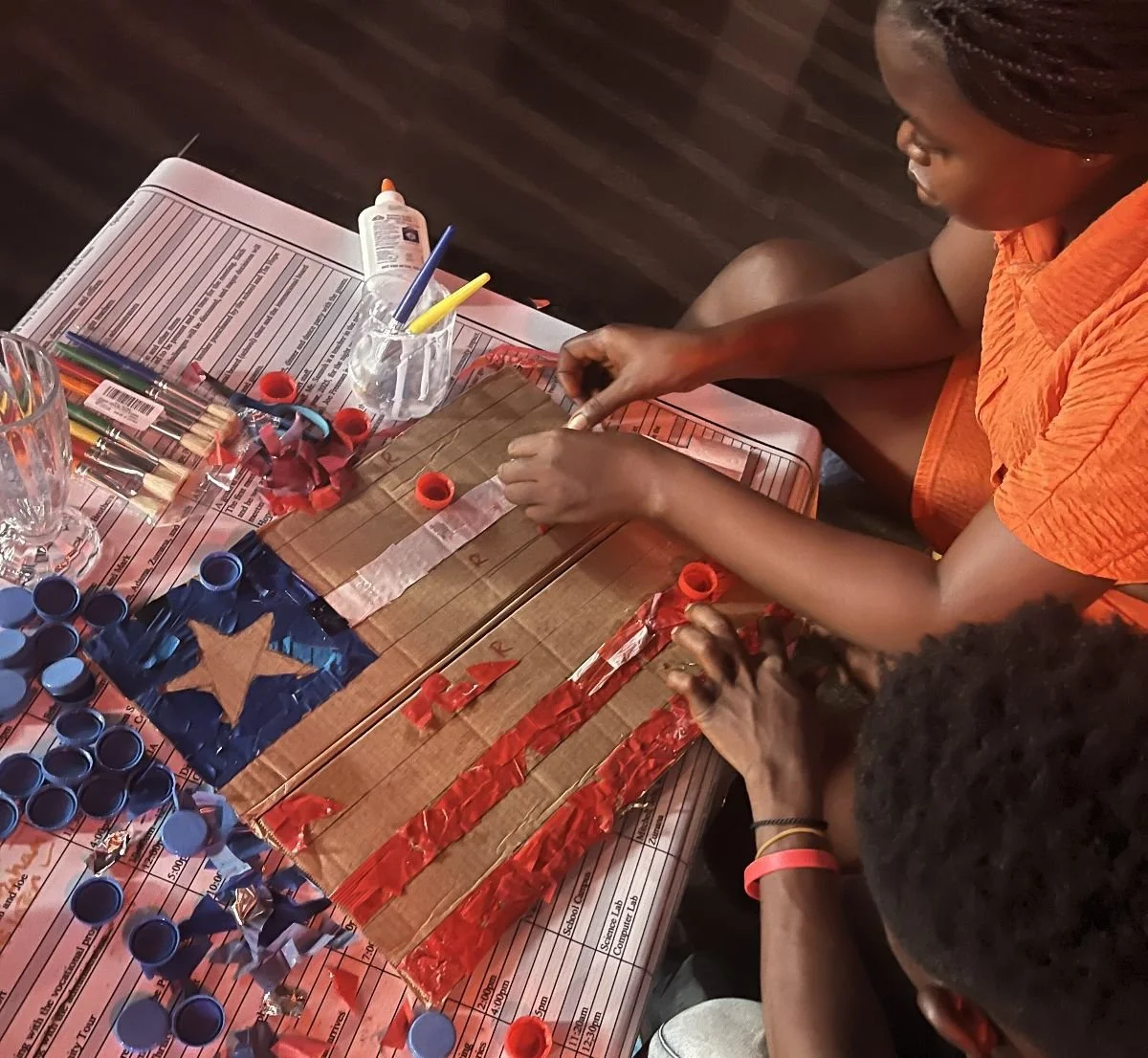
When we visit Liberia, we see the determination and optimism of the people we meet. People working incredibly hard to build better lives for themselves, their families, their communities, and their country. We never see a lack of motivation – only a lack of opportunities.
This is why education matters so much.
It creates opportunity. It prepares future professionals, tradespeople, and community leaders. It gives young people the tools to solve tomorrow's challenges instead of simply surviving today's.
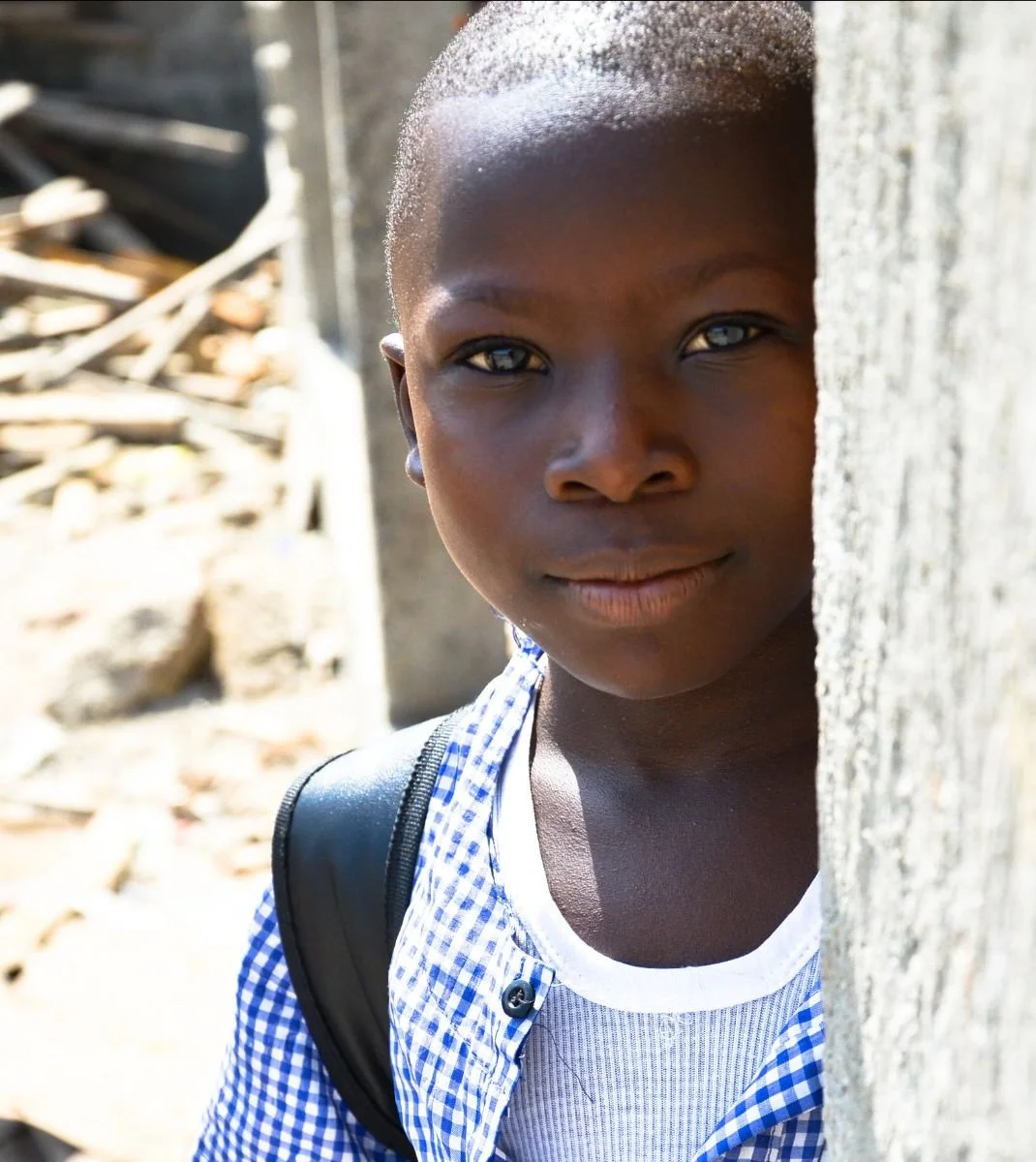
So, where do you begin rebuilding a nation? With the children of course.
Next time, we'll take a closer look at the state of education in Liberia and why your partnership in schools like Hope International is one of the most powerful ways to empower the young people as they work to shape their country's future.