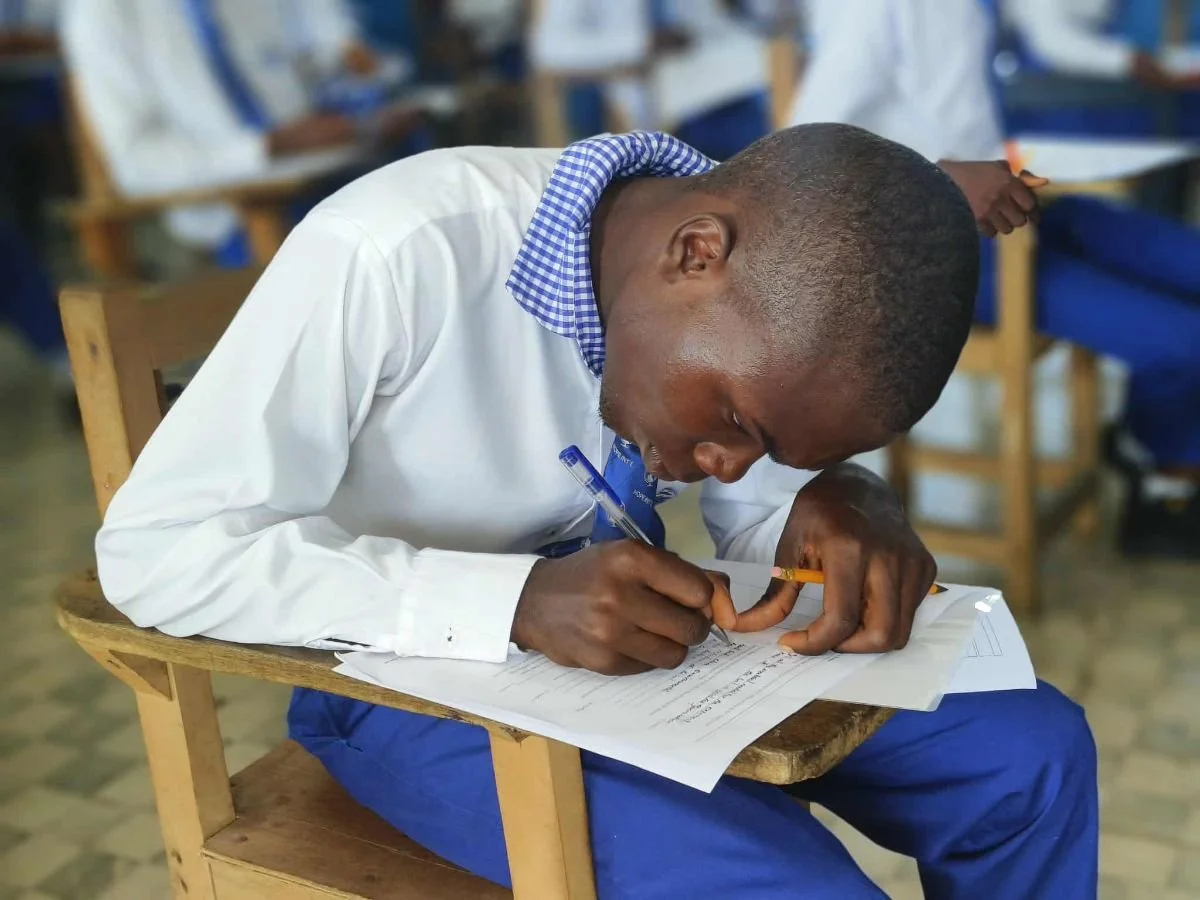
The educational landscape in Liberia faces many challenges resulting in poor learning outcomes and massive dropout rates.
First the hard news:
According to World Bank, UNESCO, and other organizations, Liberia, like many other African countries, is facing a learning crisis. In sub-Saharan Africa, learning poverty, defined as the share of children unable to read and understand age-appropriate text by age 10, is estimated at 89%.
According to the 2023 World Bank Human Capital Index, Liberia ranks second to last out of 156 countries in education.
UNICEF estimates only about 54% of children complete primary education in Liberia. This means roughly 46% of children who start primary school do not finish. Fifteen to 20% of children aged 6 to 14 are not in school at all.
Post-civil war rebuilding of civic structures (literal and figurative) has been painfully slow and incredibly challenging.
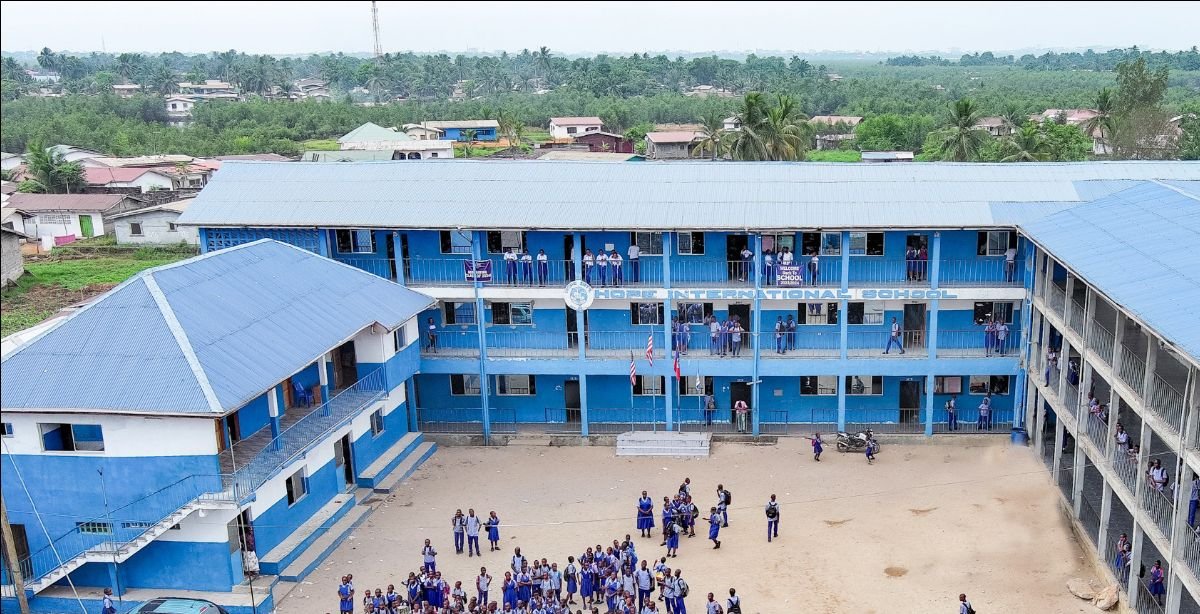
Hope International was founded 18 years ago and exists today within this complex structure of education in Liberia. The students who attend Hope are students throughout the community (and beyond) who would likely attend public school if Hope didn't exist. During our times in Liberia, we have had the opportunity to visit many public schools and see firsthand the challenges these hardworking educators and eager students face. According to Human Rights Watch, public schools are often overcrowded, under-resourced, and reliant on low-paid or volunteer teachers.
Fees to attend public school are not attainable to many families. They are required to pay an annual fee, as well as compounding costs, and provide their own materials. At Hope International, families pay an annual registration fee (which is between $25 to $35 per year based on grade level). Even this fee is prohibitive for many and the staff at Hope work to identify and support these families, with many teachers paying these fees for students out of pocket. Scholarships are also granted.
Your partnership steps in alongside paying teacher salaries and extra fees and building a campus that houses all the educational opportunities.
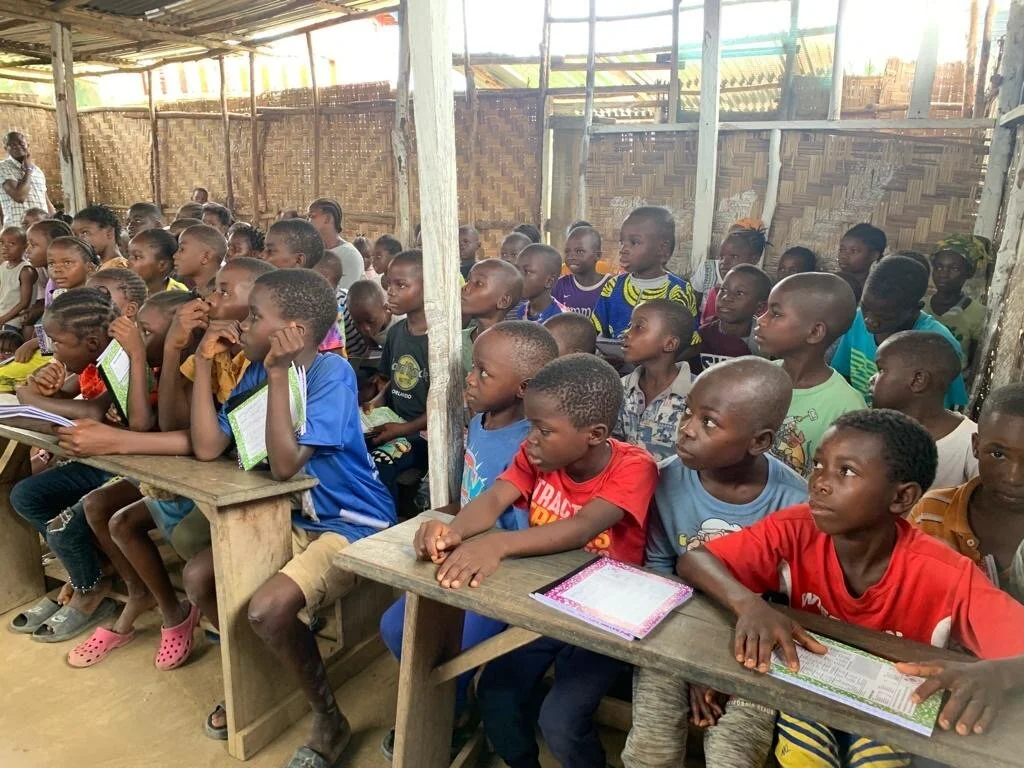
One of the biggest differences between Hope International and a public school is that public schools are not allowed to cap enrollment. We visited schools that had three to four sessions a day to accommodate the number of students enrolled. The classrooms were incredibly crowded and the resources scarce.
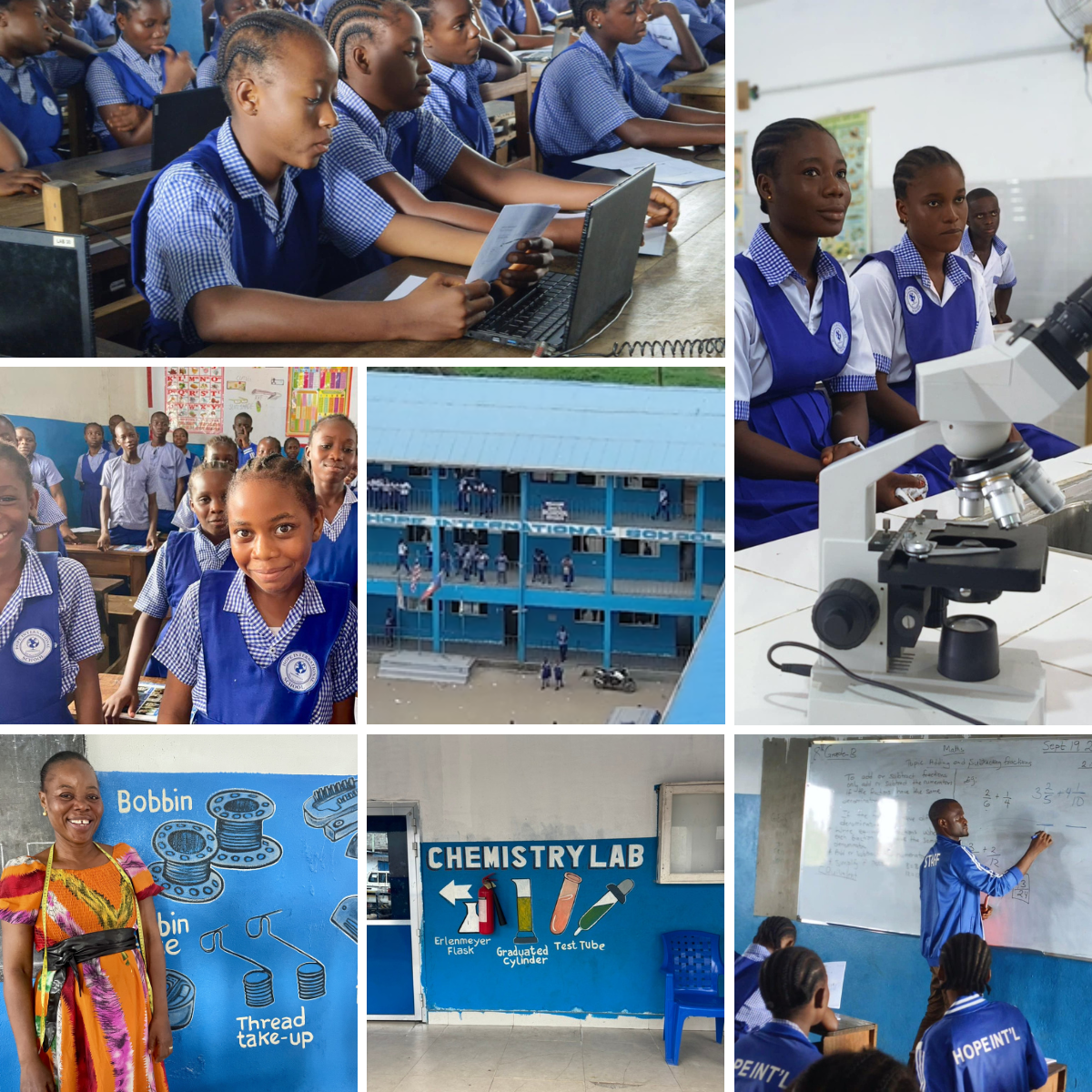
It is no wonder parents and the community extend such gratitude for Hope International and this amazing place that functions with the accessibility and student demographic of public school, but has the stabilizing support of this generous community.
Each year when registration opens the lines are so very long. The number of families wanting to enroll far exceeds the space and staffing capacity. The campus that has been built, the science and computer labs offered, the talented staff that supports the students, have created educational opportunities that are not usually available to the general population.
The school community created over the last 18 years shines so very bright. What we have all had a part in building, solidifying, and supporting will have beautiful returns now and in the decades to come.