Hope 101: Rebuilding and Opportunity

The civil wars may have ended in 2003, but the rebuilding of Liberia has been painfully slow. It's hard to imagine what it takes to reconstruct an entire country from the ground up. Where do you even begin?

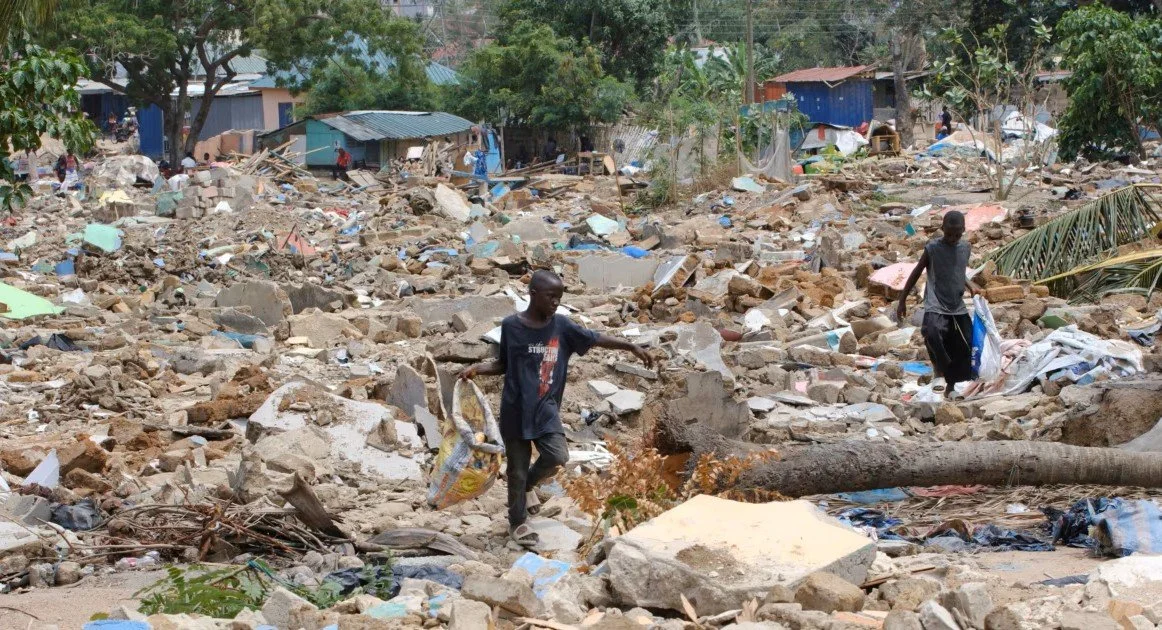
Remember, Liberia lost roughly one in ten people during the wars, nearly half the population was displaced, and much of the country's physical infrastructure was destroyed. Roads, electrical systems, water treatment facilities, hospitals, schools, businesses, and government buildings all had to be rebuilt while communities were still trying to recover from years of violence and loss.

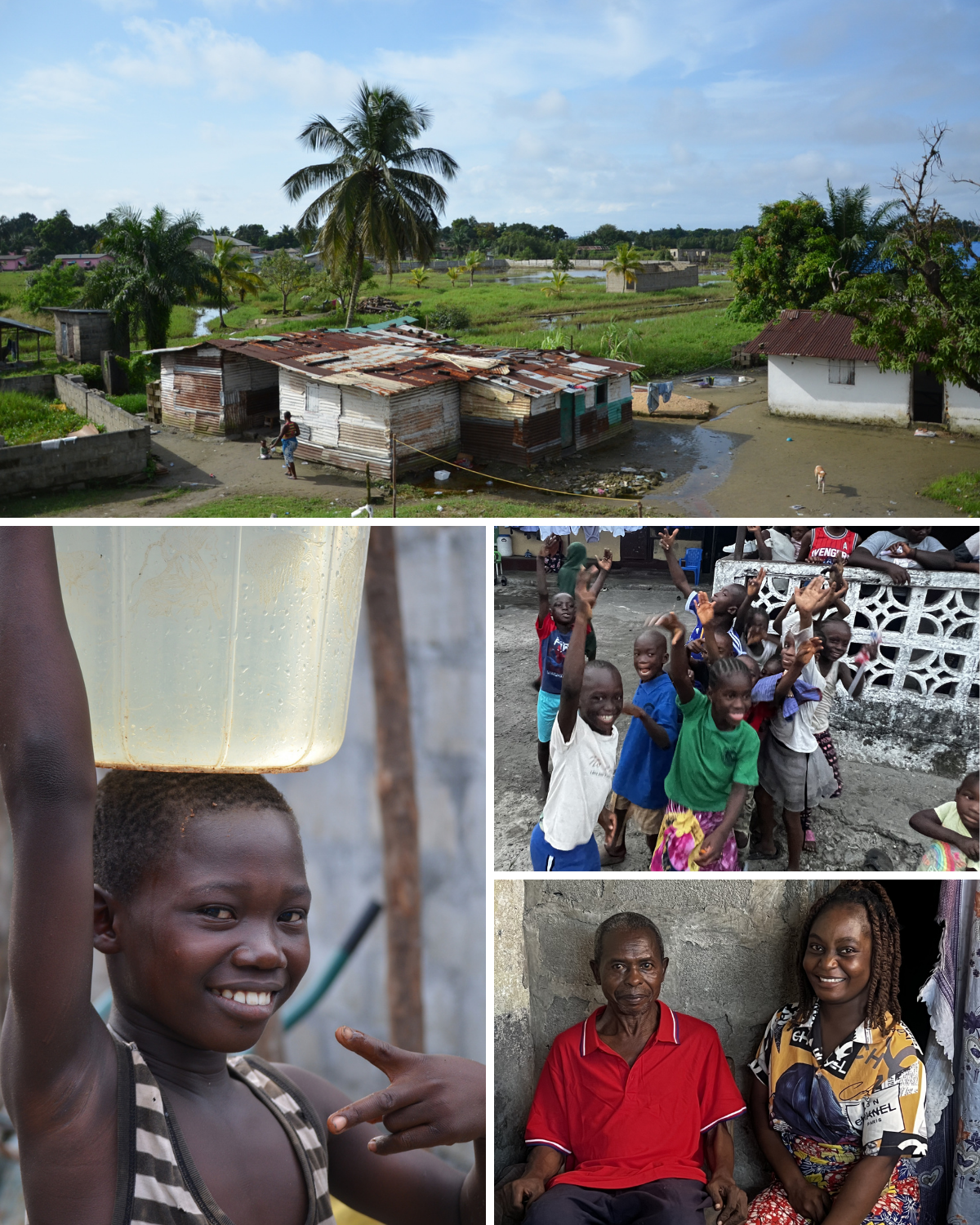
Today, only about one-third of Liberians have access to the country's electrical grid, and even then, service is often unreliable. According to UNICEF, nearly 90% of Liberians have limited access to safe drinking water. Many urban neighborhoods rely on community wells, but contamination is common, forcing families to boil water or purchase it—both significant expenses for people already living on very limited incomes. In rural communities, access to these basic necessities can be even more challenging.

But rebuilding isn't just about roads and buildings. It's about people.

Businesses were destroyed or abandoned. Skilled professionals and tradespeople were displaced or killed. Families were separated. Communities continue to carry the weight of trauma while trying to build stable lives and create opportunities for the next generation. Recovery isn't just a construction project.
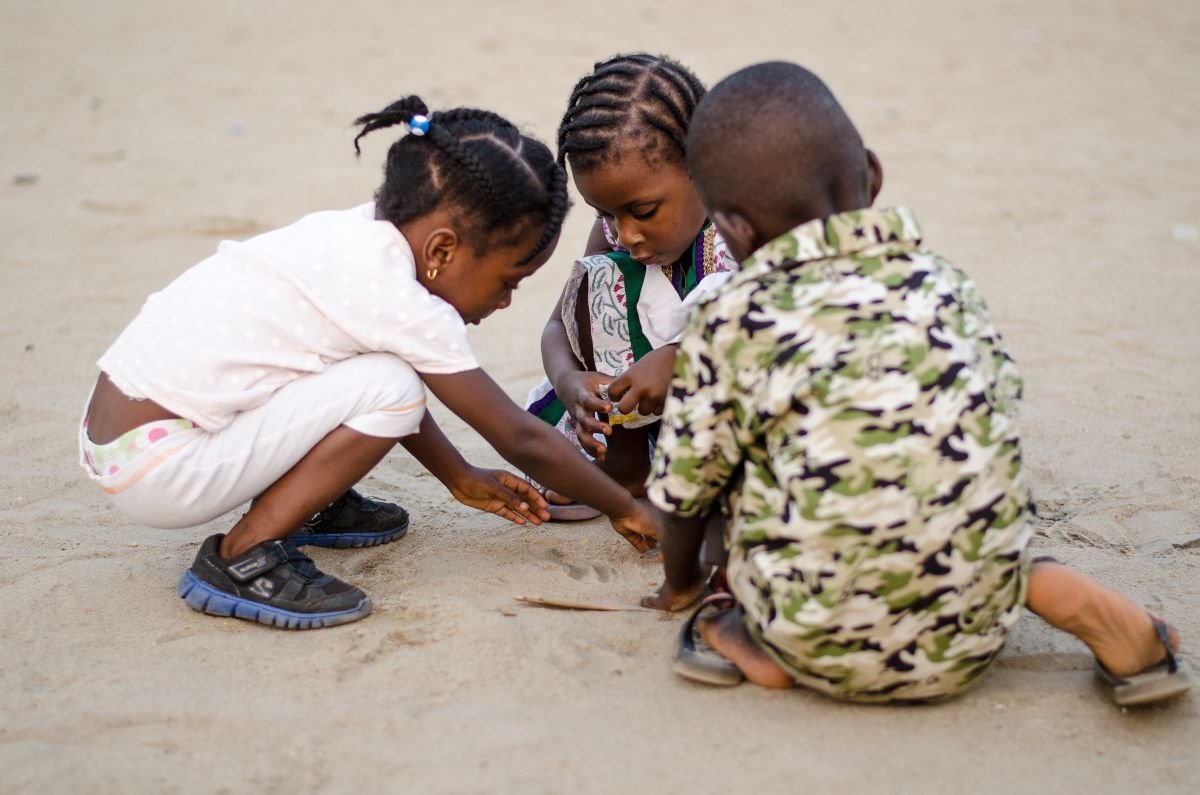
Today, Liberia has one of the youngest populations in the world, with nearly 63% of its citizens under the age of 25. While this represents tremendous potential, it also means millions of young people are growing up in a country still rebuilding its educational system, economy, and public services. Jobs remain scarce, particularly in rural areas, making it difficult for families to escape poverty even when they are willing and eager to work.
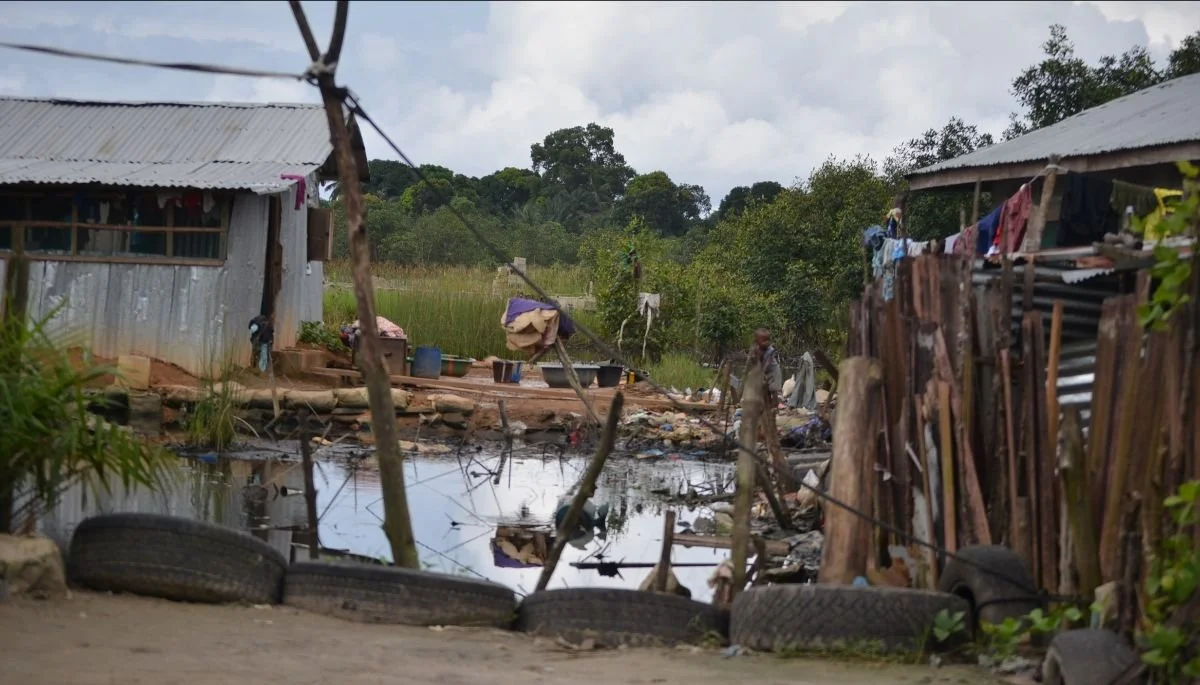
Liberia is currently ranked among the world's poorest countries. About 70% of the population lives below the poverty line, facing challenges in health, education, and basic living conditions. Nearly half the population experiences food insecurity, and many children face chronic malnutrition that can affect their physical growth and long-term development.
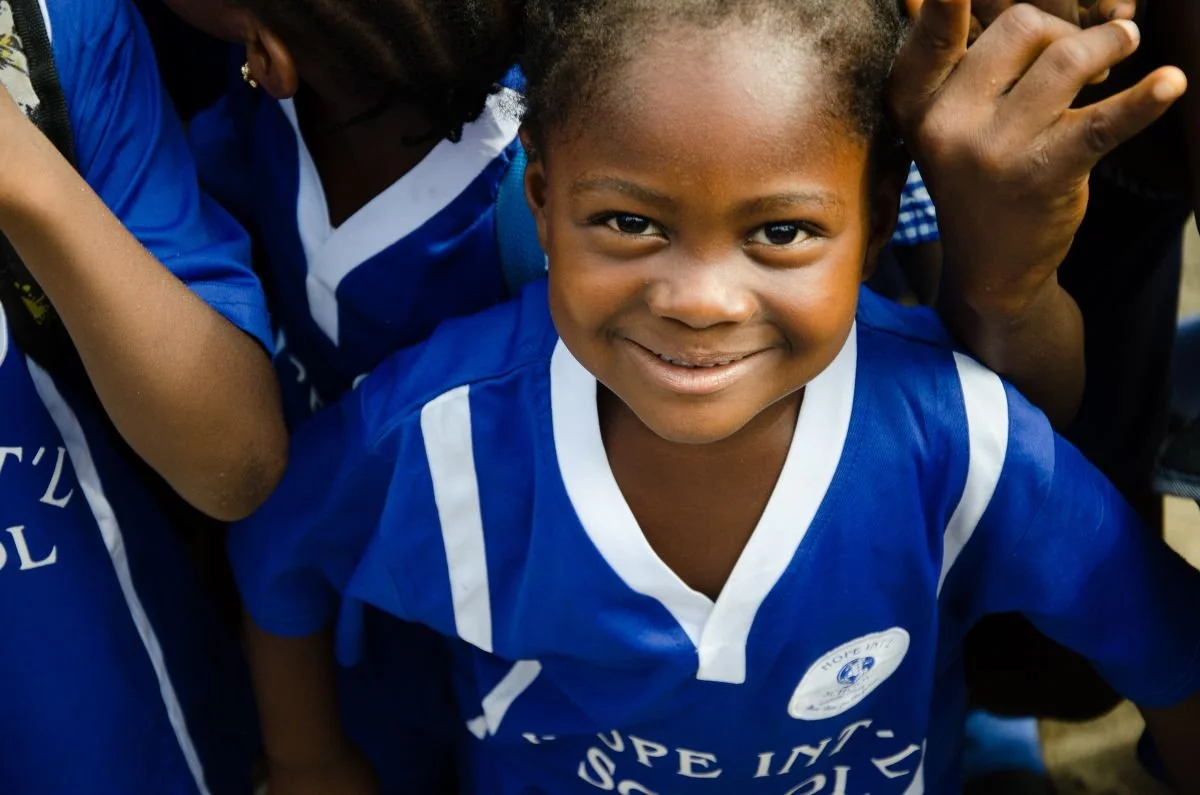
Despite all of this, Liberia continues to move forward. Every year, more children attend school. More businesses open. Communities continue to invest in one another, and people remain hopeful about the future.

When we visit Liberia, we see the determination and optimism of the people we meet. People working incredibly hard to build better lives for themselves, their families, their communities, and their country. We never see a lack of motivation – only a lack of opportunities.

This is why education matters so much.

It creates opportunity. It prepares future professionals, tradespeople, and community leaders. It gives young people the tools to solve tomorrow's challenges instead of simply surviving today's.
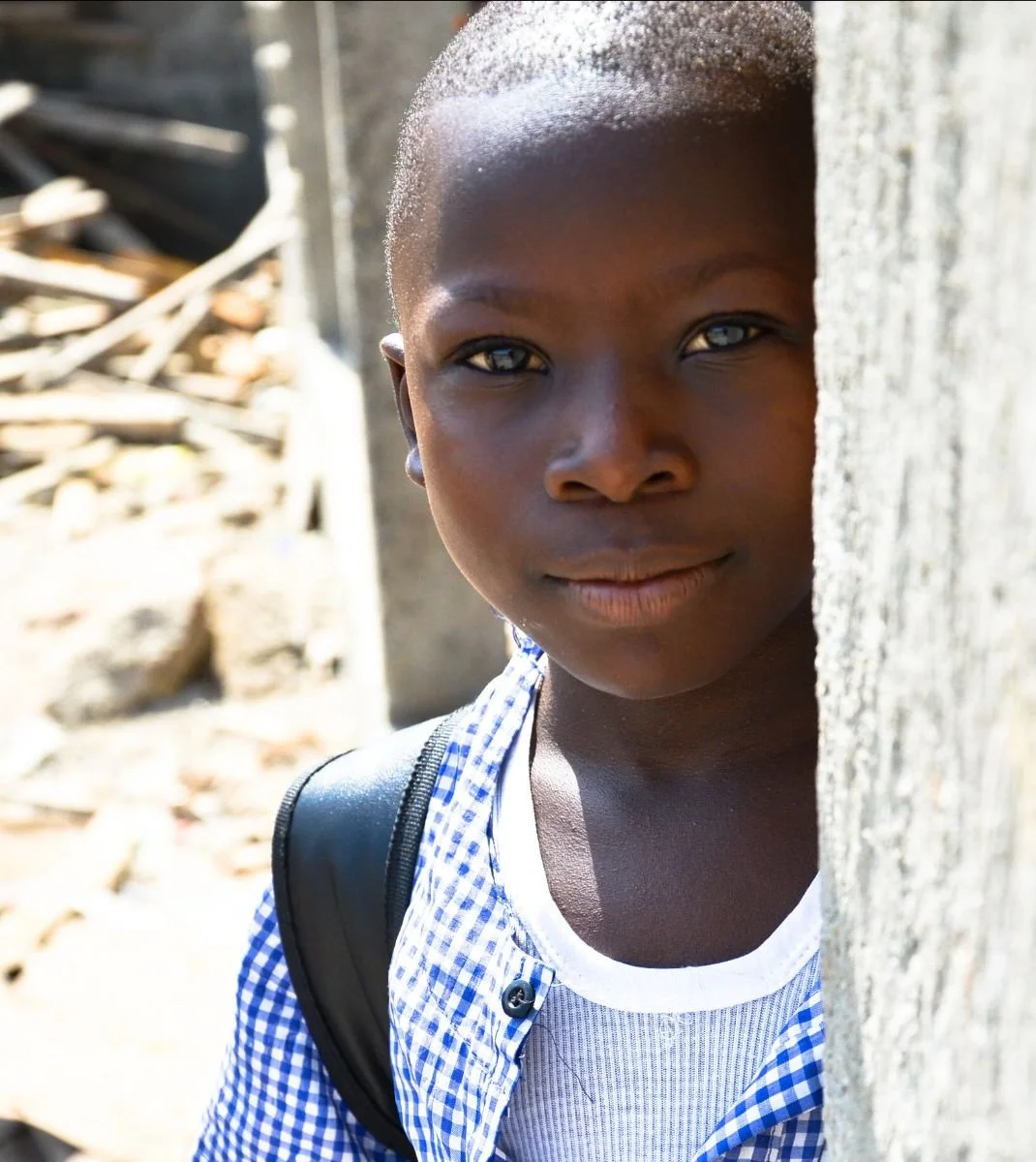
So, where do you begin rebuilding a nation? With the children of course.

Next time, we'll take a closer look at the state of education in Liberia and why your partnership in schools like Hope International is one of the most powerful ways to empower the young people as they work to shape their country's future.
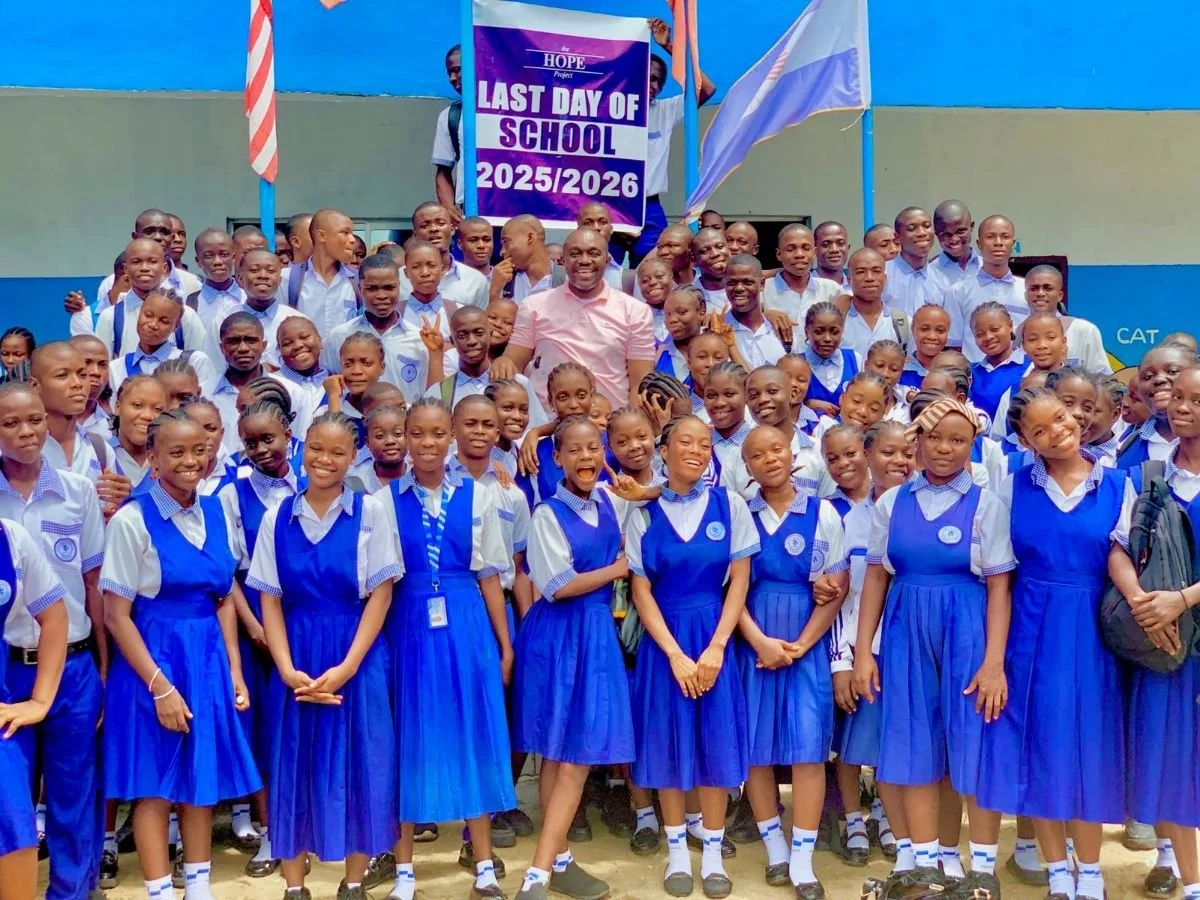

We Interrupt Summer School to Celebrate with Hope


As this school year wraps up, we, along with the students at Hope International School, are filled with joy, excitement, and celebration! How lucky are we to have such dedicated teachers and staff, students who are curious and hardworking, and partners like you, whose continued generosity helps make it all possible!

Please enjoy the message below from Principal Mark Howe as he reflects on the many accomplishments made possible throughout the school year with your partnership.

Thank you for being part of another incredible year of HOPE!


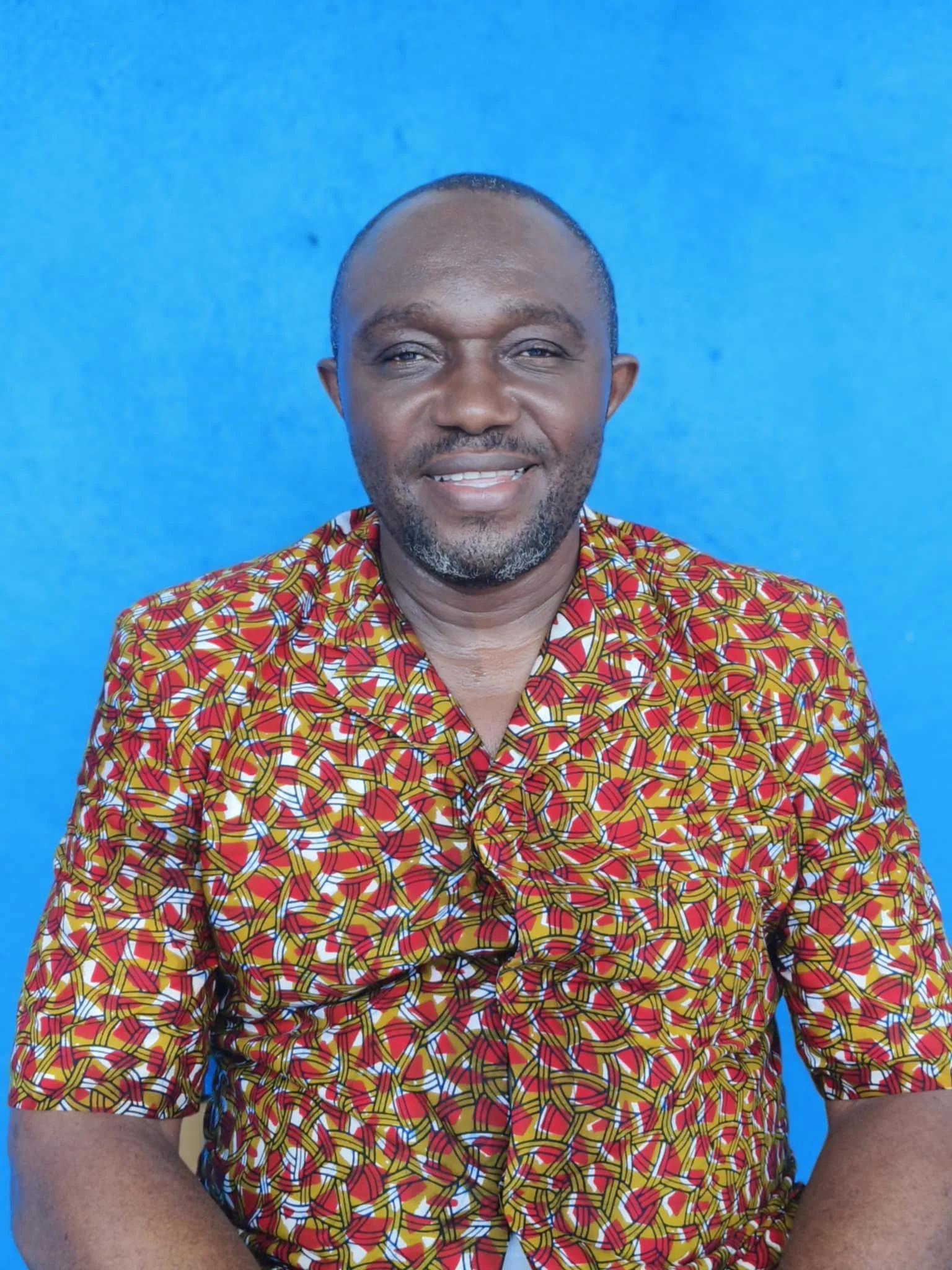
Greetings from Mark Howe | Principal of Hope International

On behalf of the administration and the general staff of the Hope International School, I am pleased to extend my heartfelt gratitude to The Hope Project community for all of your support. We are incredibly proud and fortunate to have you as partners. We are also proud to say, it is because of your generosity, the vision and mission of The Hope Project in Liberia is alive and continues impacting so many Liberians lives as it has done for the past 18 years.

I would like to share with you some of the good things that happened this school year.

The establishment of an exceptional school press club, led by student, Princess Flomo, who will be graduating this year.
 

Providing customized copybooks to 1,500 students free of charge. 
 

Supporting and seeing nine of our teachers graduate. Initially, through a grant I applied for by USAID and then through the generosity of this community.
 

Installation of internet on the school's campus for both students and teachers. 

May God continue to bless and replenish you.

Hope 101: Injustice and Resilience

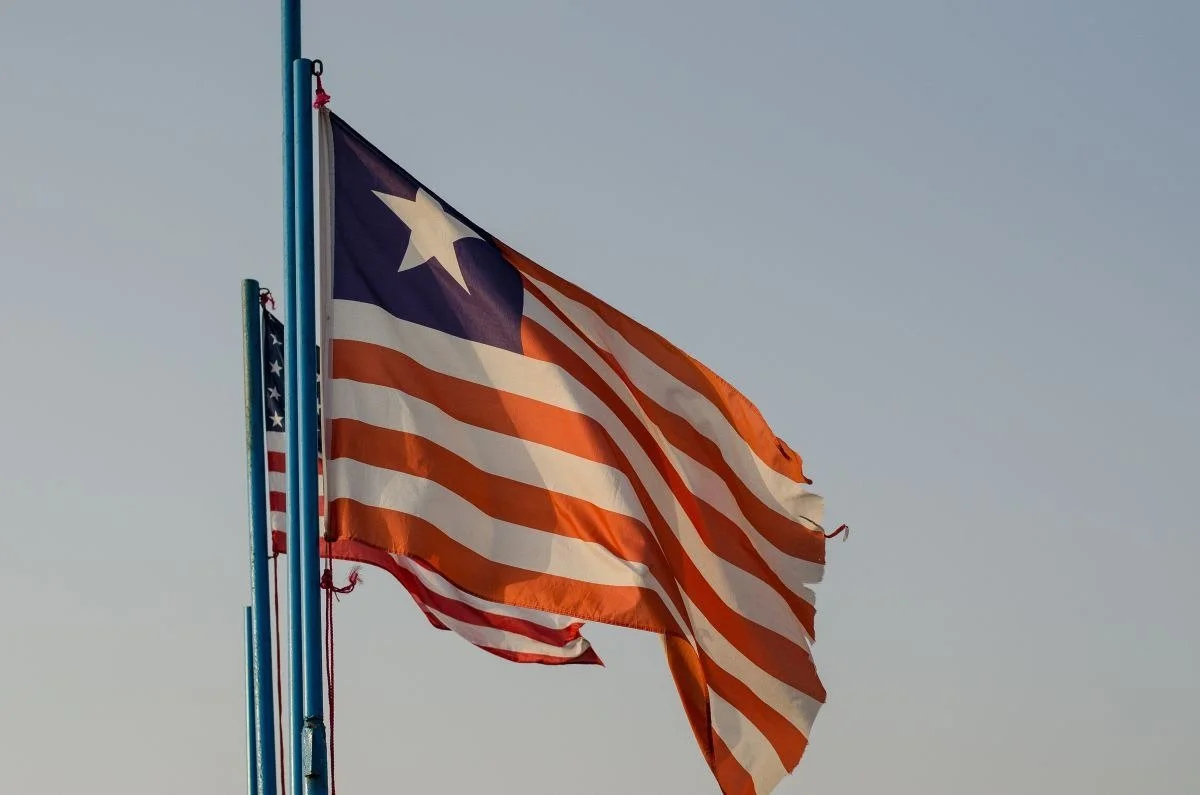
Liberia was officially founded in 1847 by formerly enslaved and free Black Americans who emigrated to West Africa through an organization called the American Colonization Society (ACS). These newcomers, known as Americo-Liberians, brought many aspects of American southern culture and government with them to a region that was already home to at least 16 Indigenous ethnic groups with their own rich histories, cultures, and systems.
 
Over time, economic and political power was consolidated among the Americo-Liberian minority and, as you might imagine, it created divisions within Liberia that have shaped the country over the last 200 years
 
Like many places, Liberia's history is richly complex and includes stories of both terrible injustice along with incredible resilience.

Many of Liberia's most recent challenges come from back to back civil wars, the first starting in 1989 and lasting until 1997. A second war followed in 1999 and ended in 2003. In total, these two wars claimed nearly 250,000 lives (about 1 in 10 Liberians at the time). Almost half the country's population was displaced. Infrastructure was destroyed. Schools, hospitals, and businesses struggled to stay open. Families were separated and many atrocities were committed. These impacts are still being felt today.
 
While rebuilding from these wars, West Africa was hit with Ebola and from 2014-2016, Liberia was one of the countries hit hardest by the epidemic. Over 10,000 people were infected and nearly half of those died. Schools closed. The healthcare system was overwhelmed, and much progress in the country stalled. Then just a few years later the COVID-19 pandemic created even more challenges.
 
Despite all of this, the people of Liberia continue to persist.

During our visits, we see the many hardships Liberia continues to face, but what comes through the most is the resilience and hope of the Liberian people. The way they care for each other, champion each other, and continue to strive towards a better future. For themselves. For their children. For their country.
 
The problems and issues that Liberia faces did not happen overnight and they did not happen simply because of war or disease. They involve issues that go back much further and have much to do with the unique historical relationship Liberia has with the United States and the political, economic, and social inequality that was put into place from the beginning; all made more difficult by war, disease, lack of resources, and poverty.
 
Understanding a bit of the history helps in learning the challenges the Liberian people have faced as they work to rebuild. It also reinforces the importance of this community of Hope, as we all work together to create opportunities for future generations of Liberians.