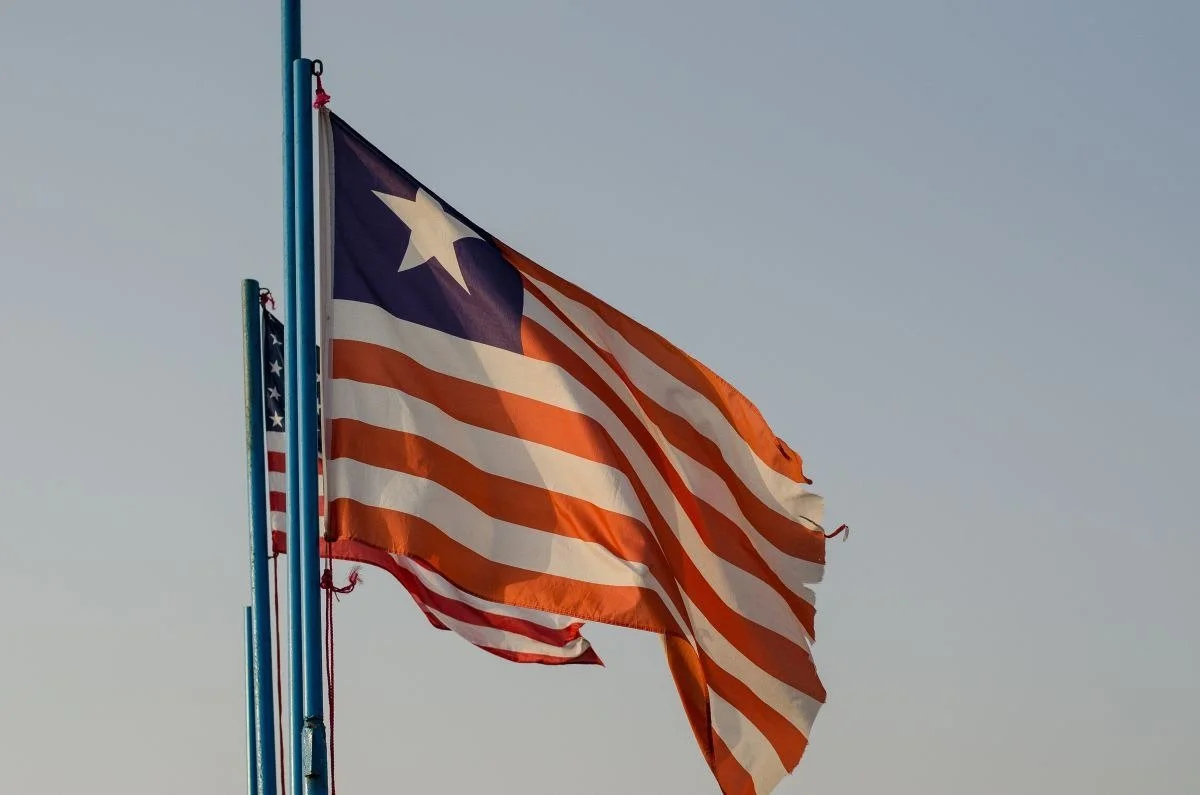
Liberia was officially founded in 1847 by formerly enslaved and free Black Americans who emigrated to West Africa through an organization called the American Colonization Society (ACS). These newcomers, known as Americo-Liberians, brought many aspects of American southern culture and government with them to a region that was already home to at least 16 Indigenous ethnic groups with their own rich histories, cultures, and systems.
Over time, economic and political power was consolidated among the Americo-Liberian minority and, as you might imagine, it created divisions within Liberia that have shaped the country over the last 200 years
Like many places, Liberia's history is richly complex and includes stories of both terrible injustice along with incredible resilience.
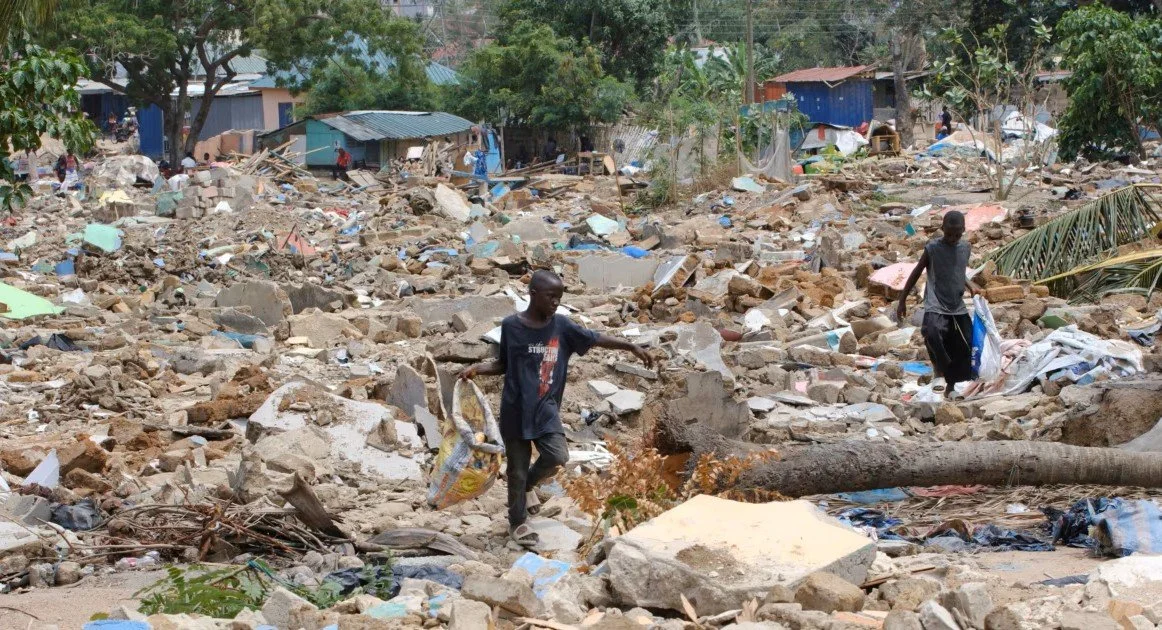
Many of Liberia's most recent challenges come from back to back civil wars, the first starting in 1989 and lasting until 1997. A second war followed in 1999 and ended in 2003. In total, these two wars claimed nearly 250,000 lives (about 1 in 10 Liberians at the time). Almost half the country's population was displaced. Infrastructure was destroyed. Schools, hospitals, and businesses struggled to stay open. Families were separated and many atrocities were committed. These impacts are still being felt today.
While rebuilding from these wars, West Africa was hit with Ebola and from 2014-2016, Liberia was one of the countries hit hardest by the epidemic. Over 10,000 people were infected and nearly half of those died. Schools closed. The healthcare system was overwhelmed, and much progress in the country stalled. Then just a few years later the COVID-19 pandemic created even more challenges.
Despite all of this, the people of Liberia continue to persist.
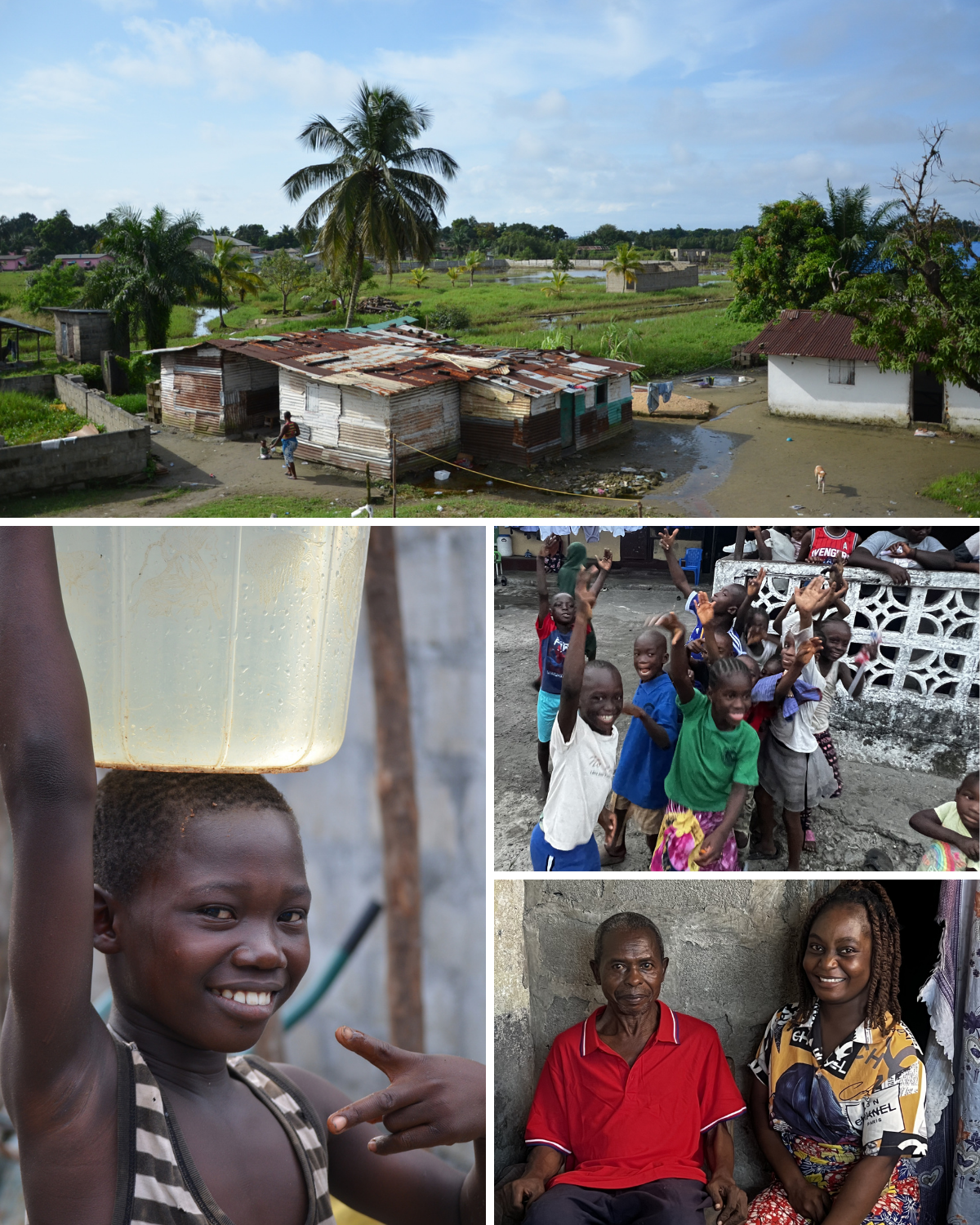
During our visits, we see the many hardships Liberia continues to face, but what comes through the most is the resilience and hope of the Liberian people. The way they care for each other, champion each other, and continue to strive towards a better future. For themselves. For their children. For their country.
The problems and issues that Liberia faces did not happen overnight and they did not happen simply because of war or disease. They involve issues that go back much further and have much to do with the unique historical relationship Liberia has with the United States and the political, economic, and social inequality that was put into place from the beginning; all made more difficult by war, disease, lack of resources, and poverty.
Understanding a bit of the history helps in learning the challenges the Liberian people have faced as they work to rebuild. It also reinforces the importance of this community of Hope, as we all work together to create opportunities for future generations of Liberians.